
Brainerd is easy to misunderstand if you only look at the map. On paper, it is a mid-sized city in north-central Minnesota. In practice, it works more like a handoff point: a place where errands, work, healthcare, flights, utilities, and neighboring communities all meet in one daily pattern. That is why the city’s real strength is access, not just geography. It is a place where short trips and shared systems matter more than any single destination.
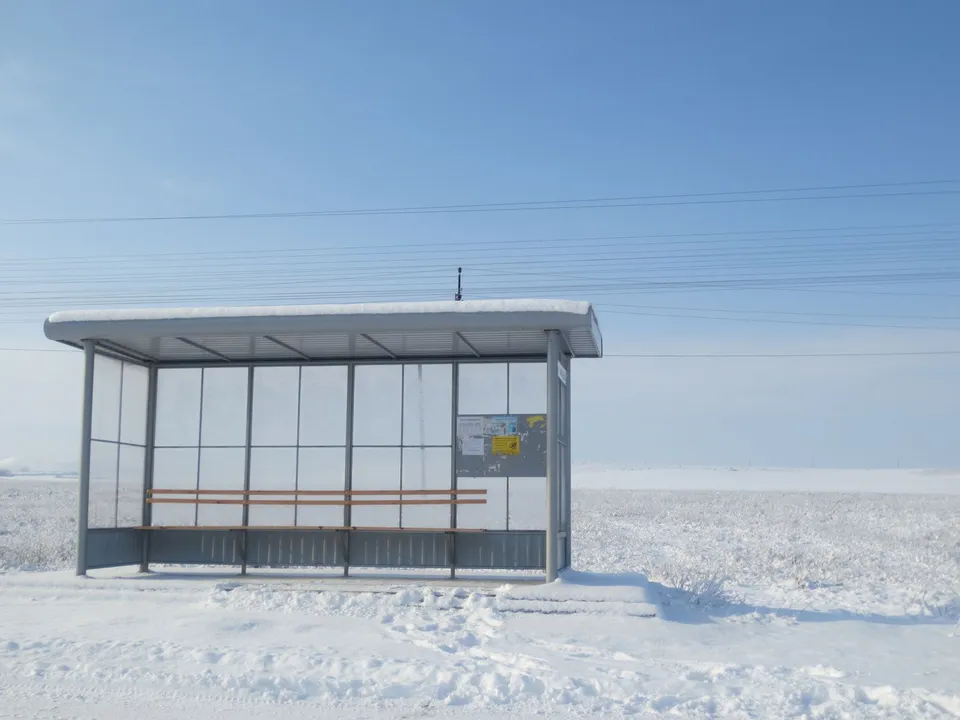
The clearest example is public transit. Brainerd & Crow Wing Public Transit runs a weekday dial-a-ride service from 6:00 a.m. to 6:00 p.m., with dispatch hours from 7:30 a.m. to 4:30 p.m. and an AI dispatcher available outside regular hours for booking, canceling, and monitoring trips. The service is not limited to one narrow use case; it is positioned as a general public service, and the Minnesota Board on Aging listing notes wheelchair accessibility as well.
That matters because the service area is wider than Brainerd alone. The same transit listing describes coverage for the Brainerd, Baxter, Crosby, and Pequot Lakes areas of Crow Wing County, plus the Pine River area of Cass County. In other words, the transit system already treats the Lakes Area as a connected region, not a set of isolated city limits. The fare structure also shows how carefully the service is managed: Brainerd-originating trips cost $3 in advance and $5 same day, while Baxter-originating trips cost $7 in advance and $11 same day.
That kind of practical design shows up in other city systems too. Brainerd Public Utilities says it has served the community since 1892 and provides electric, water, and sewer services to Brainerd, parts of Baxter, and surrounding townships. Its audited statements also show that BPU provides electric distribution to portions of Baxter and treats 100% of Baxter’s wastewater, which is a good reminder that local government in this area often works across borders whether residents notice it or not.
Utilities are not glamorous, but they are what make a community usable. When water service, sewer treatment, and electric distribution are reliable, the rest of daily life becomes easier to plan. That is especially important in a city like Brainerd, where growth, seasonal demand, and regional commuting all place pressure on the same infrastructure. Crow Wing County’s wellhead protection planning also shows that the area thinks in coordinated terms: multiple municipalities, including Brainerd and Baxter, worked with state agencies on groundwater planning and water protection.
The airport fits the same pattern. Brainerd Lakes Regional Airport is not just a tourism gateway; it is another access point in the region’s everyday network. MnDOT’s airport directory lists Brainerd & Crow Wing Transit as a ground-transport option for BRD, reinforcing the idea that flying in and moving around the Lakes Area are connected problems solved by shared infrastructure. The airport’s role is also echoed in local budgeting and revenue-sharing references, which show that aviation is part of the region’s civic and financial web, not a separate world.
Seen this way, Brainerd’s economy makes more sense too. Census QuickFacts shows substantial local activity in health care and social assistance, retail sales, and transportation and warehousing, all signs of a city that serves a wider area than itself. That is what a regional service center looks like in real life: people coming in for care, shopping, work, appointments, training, and connections to elsewhere.
Even the housing and population numbers support the same story. Brainerd’s population has stayed relatively steady, while nearby Baxter has grown more quickly, and the two cities show different housing cost profiles. Those differences matter because they shape where people live, where they work, and how they move through the day. A city becomes easier to understand when you stop asking only what is inside it and start asking what it connects to.
That is the Brainerd advantage in plain terms: not one big feature, but a lot of small ones that line up. Transit, utilities, airport access, county planning, and regional services all work best when they are treated as part of the same system. For residents, that means more practical options. For visitors and employers, it means a city that is simpler to reach, easier to use, and better connected than it first appears.