
Brainerd works best when you understand how its everyday systems overlap. A trip to work, a ride to an appointment, a bill payment, or a class at the college often depends on a few practical links rather than one single office or one single route. That is what makes the city feel more connected than its size suggests.
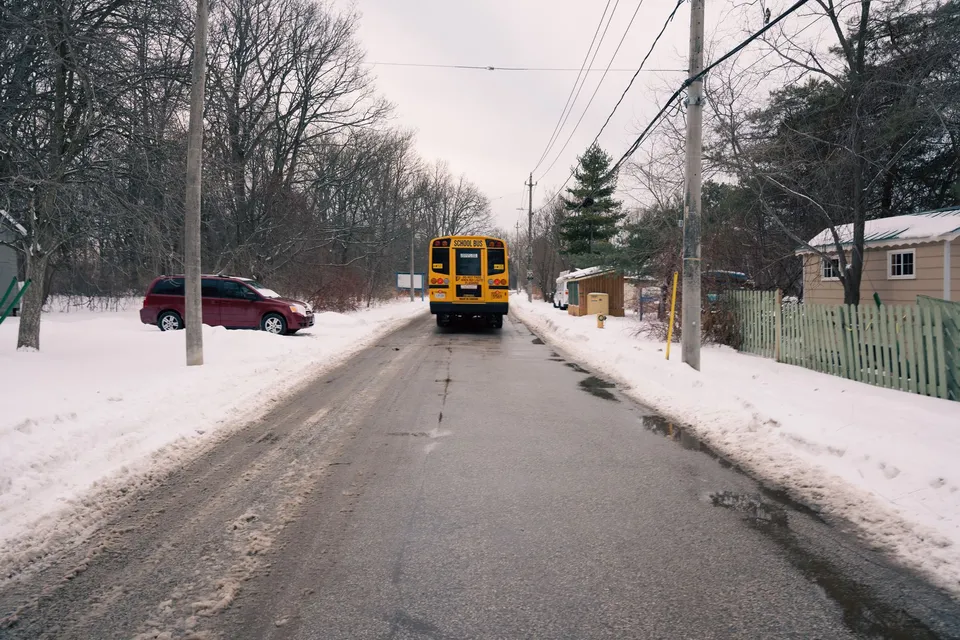
Start with mobility. Brainerd & Crow Wing Public Transit is not just a niche service for a few riders; the city describes it as a weekday dial-a-ride system with operating hours from 6:00 a.m. to 6:00 p.m. and dispatch hours from 7:30 a.m. to 4:30 p.m., plus an AI dispatcher outside regular dispatch hours. It runs Monday through Friday, with posted holiday exclusions, and the fare structure changes depending on whether you book ahead or request a same-day ride. In other words, planning matters here, and the system is built to reward it.
That same idea shows up in the service area. The Minnesota Board on Aging listing says the Brainerd/Baxter dial-a-ride network reaches the Brainerd, Baxter, Crosby, and Pequot Lakes areas of Crow Wing County, plus the Pine River area of Cass County. For local coverage, that is a reminder that the Brainerd Lakes Area is not one neat circle on a map. It is a set of connected places, and some public services cross those boundaries by design.
Utilities tell a similar story. Brainerd Public Utilities says it has served the community since 1892 and provides electric, water, and sewer service to Brainerd, parts of Baxter, and surrounding townships. Its audited statements note that it distributes electricity to portions of Baxter and treats 100% of Baxter’s wastewater. That makes the utility system more than background infrastructure; it is one of the clearest examples of how the two cities function together in daily life.
Baxter’s own public works pages reinforce the point. The city describes its Streets & Utilities division as responsible for streets, water, sanitary sewer, storm water, and related facilities. Even when a larger regional utility handles part of the work, residents still interact locally with city departments that answer questions, maintain systems, and keep the basic pieces moving.
The same kind of practical coordination shows up in housing support. Brainerd HRA says eligible families find their own rental unit in Crow Wing County and references Fair Market Rents and payment standards effective January 1, 2026. That matters because it shows housing assistance in this area is not just a city service in a narrow sense; it is part of a countywide rental landscape where location, price, and availability all matter at once.
Education and workforce options add another layer. Central Lakes College is one of the region’s key training pipelines, with published program listings, a catalog, and a tuition guide that lists estimated tuition and fees for 2025–2026 at $220 per credit. For anyone trying to move into a new job, gain a credential, or finish a degree while working, that kind of concrete information is often what turns an idea into a plan.
Brainerd’s role as a regional hub also shows up in broader economic and access data. U.S. Census QuickFacts places the city’s 2024 population estimate at 14,400 and shows major activity in health care, transportation, and retail. That supports the everyday impression many locals already have: Brainerd is not just where people live; it is where they go to get things done.
If you zoom out, the pattern is clear. Brainerd is easier to understand when you stop looking for one big answer and start noticing the handoffs: transit to appointment, utility to home, college to job, county program to neighborhood need. The city works because these systems are ordinary, repeated, and connected. Most days, that is exactly what people need.